





 SG
SG
 Buy Now
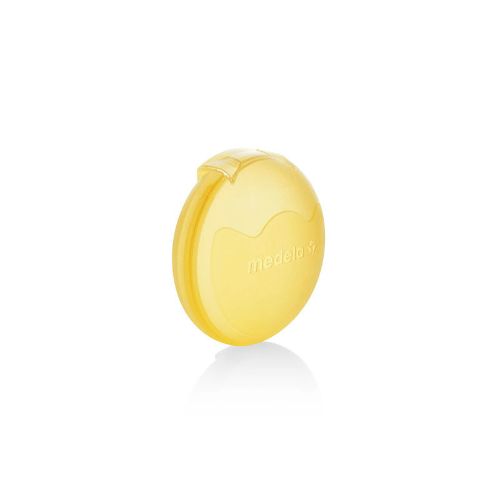
2 contact nipple shields, 1 storage box





Product Description
Medela’s Contact™ nipple shields make breastfeeding possible when latching on is difficult or painful by protecting sore nipples and helping your baby attach more easily.
At a glance
- Enable breastfeeding when latching on is difficult or painful or if you have flat or inverted nipples
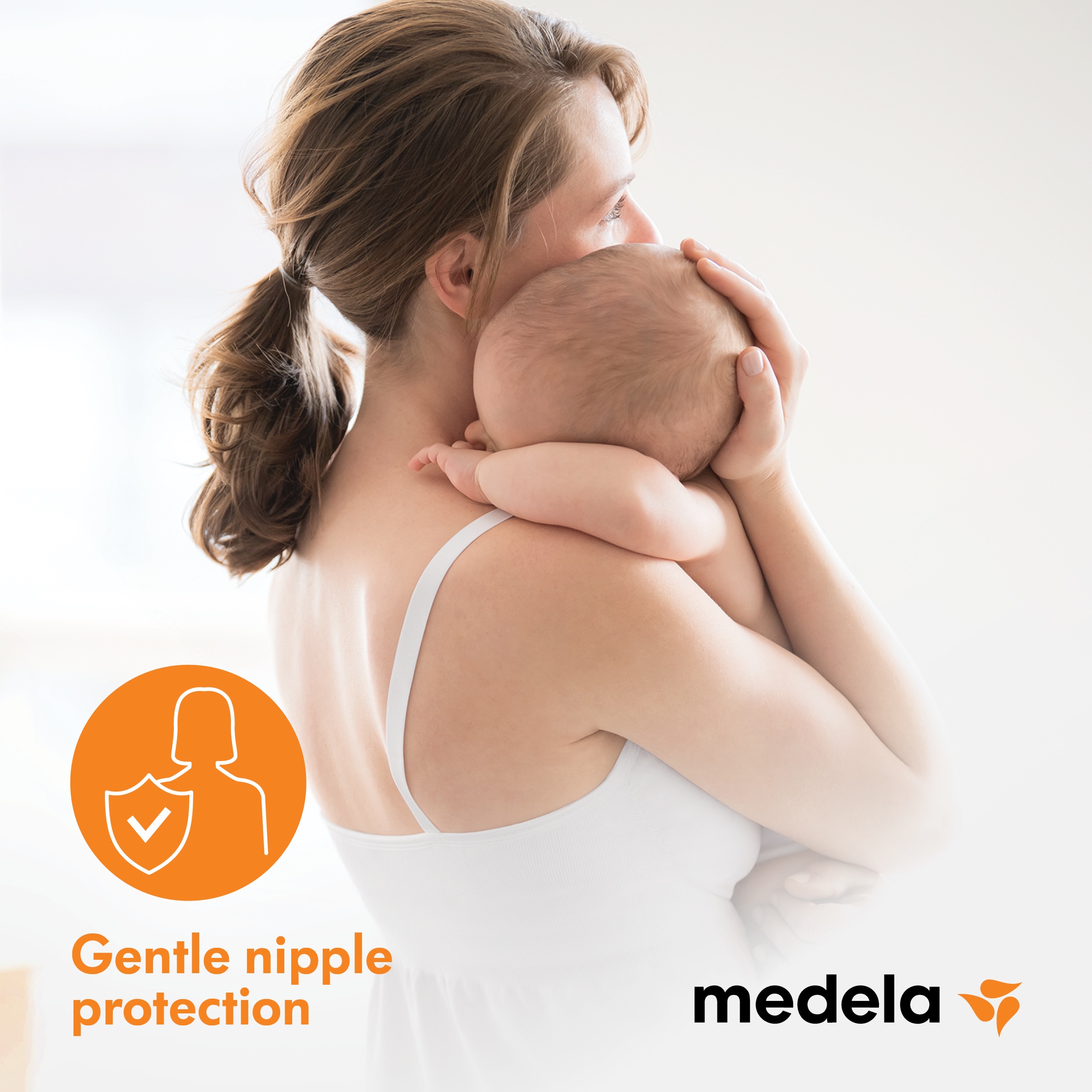
- Protect sensitive, dry or cracked nipples during breastfeeding
- Made from transparent, ultra-thin, soft silicone that’s comfortable on sensitive skin
- Safe and taste-free for your baby
- Shape maximises skin contact between you and your baby
- BPA free

What is a nipple shield?
A nipple shield is a thin, flexible piece of silicone that you place over your nipple before breastfeeding to protect it. There are holes in the tip so your milk can pass through to your baby. Some mums worry that having a ‘barrier’ between themselves and their baby may interfere with the intimacy of breastfeeding, which is why Medela Contact™ nipple shields have an open section to ensure you still enjoy plenty of that special skin contact.

When to use nipple shields
There are three main circumstances when you might use nipple shields:
•If you have sore, cracked nipples, or are suffering from nipple pain.
•If you have flat or inverted nipples.
•If your baby has problems latching on to the nipple and is not drinking milk well.
Your lactation consultant or breastfeeding specialist will be able to advise you whether or not nipple shields are appropriate for you, and can also support you with your ongoing breastfeeding needs.

How to use nipple shields
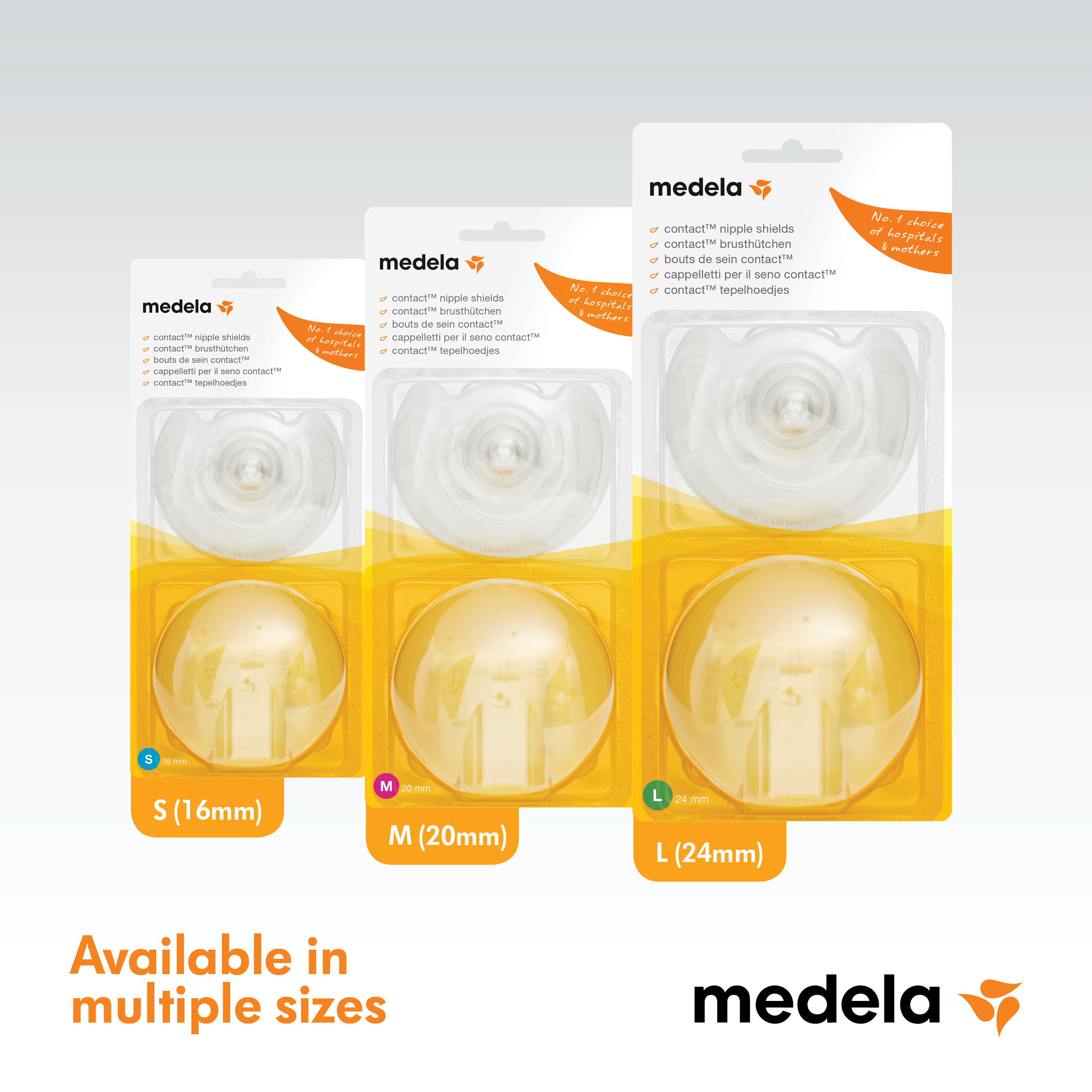
After washing your hands with drinking-quality water and drying them thoroughly, grip the wings of the Contact™ nipple shield to guide it into place. Moistening the shield with drinking-quality water will help it stick. See the Contact™ nipple shield instructions for full details of how to put them on.The nipple shield should fit comfortably on your nipple without pinching – Medela nipple shields come in three sizes, so you can find the best fit for your type of nipple, our handy fitting guide has more details. Remember you’ll need to clean them after each use and disinfect once a day – this is often easiest using a microwave sanitising bag – see instructions for details of cleaning and sanitising. Contact™ nipple shields come with a convenient carry case so you can keep them safe between uses.

Nipple shields for sore nipples
Sore or cracked nipples can have a number of causes, so it’s important to get to the root cause before deciding on what to do about them. For example, if you have sore nipples you may want to try hydrogel pads or breast shells first, as well as seeking further lactation support. If these don’t improve the situation, Contact™ nipple shields can protect your nipples while still enabling breastfeeding – made from ultra-thin, soft silicone, they’re gentle even on sore, dry or cracked skin.

Nipple shields for flat or inverted nipples
If you have flat or inverted nipples your baby may find it harder to latch on, especially when she is small – but that doesn’t mean breastfeeding isn’t possible! An inverted or flat nipple might not touch the roof of your baby’s mouth during a feed, which can mean her sucking reflex isn’t triggered. Contact™ nipple shields can help by extending the reach of your nipple. And because they are flavour-free, your baby is unlikely to taste anything unusual while you’re using them.

Helping your baby to latch on
As outlined above, using a nipple shield can offer a baby who is struggling to latch on a larger, firmer target. Your lactation consultant or breastfeeding specialist can ensure your baby is latching well while you’re using the shield. You’ll also need to monitor your baby’s weight gain to ensure your milk supply is meeting her requirements.1 In general, nipple shields are a short-term solution – in time, as your baby’s suck strengthens and you get used to breastfeeding, you may well be able to start weaning off nipple shields.
What's Included
You May Also Like
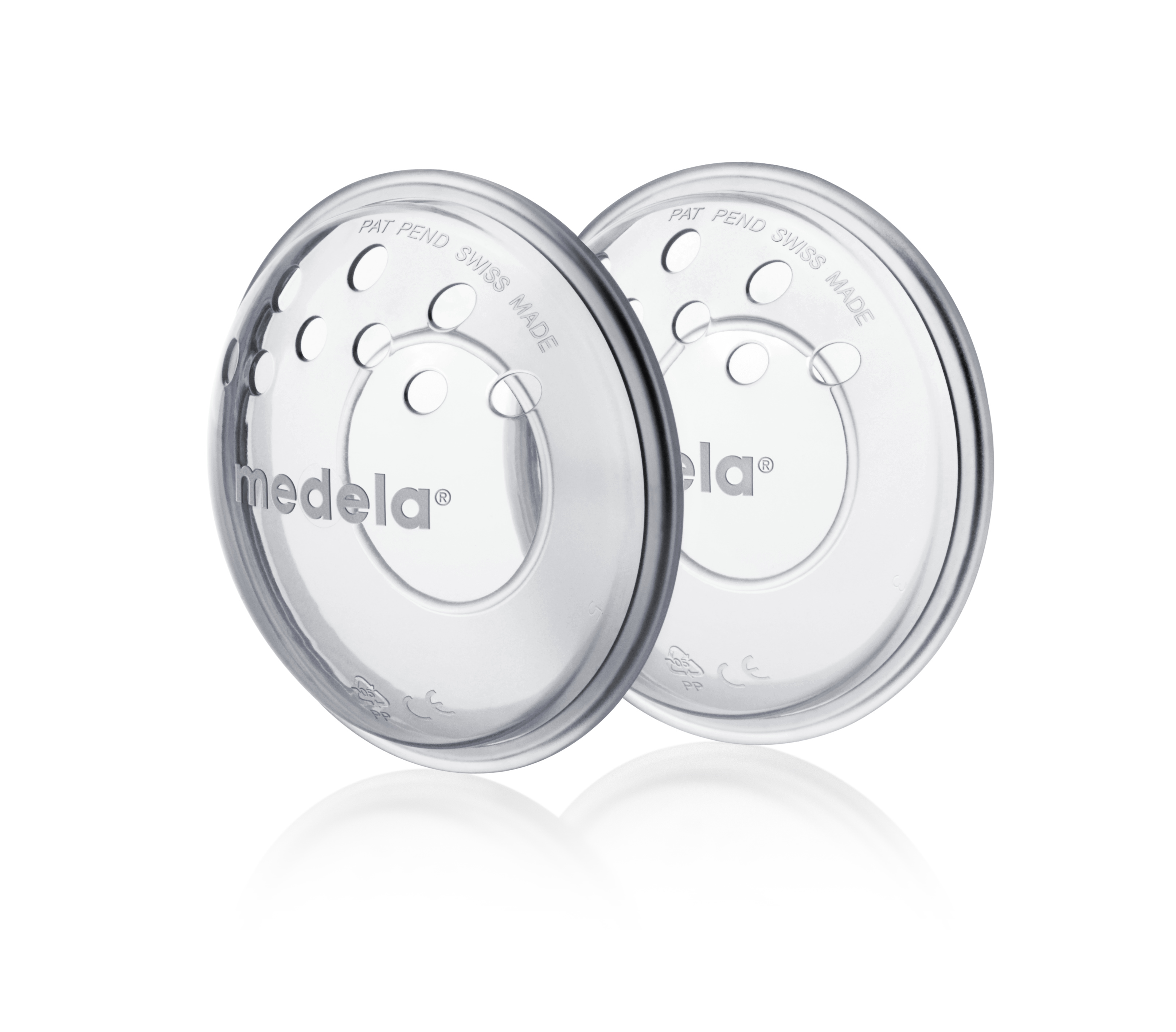
Protect your sore or cracked nipples with these shells to allow your skin to recover by preventing your clothes from rubbing on them.
S$39.90
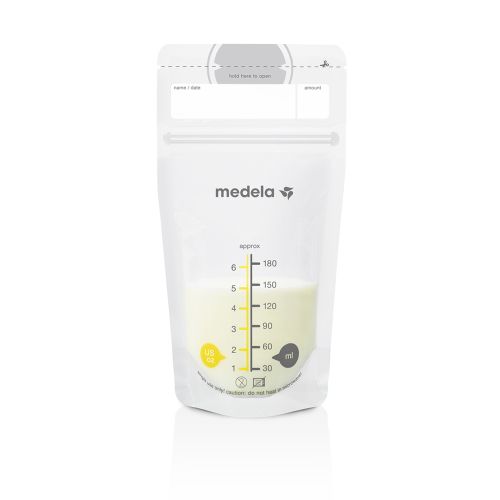
The convenient way to store, carry and warm expressed breast milk. Easy to use and hygienic.
S$23.90
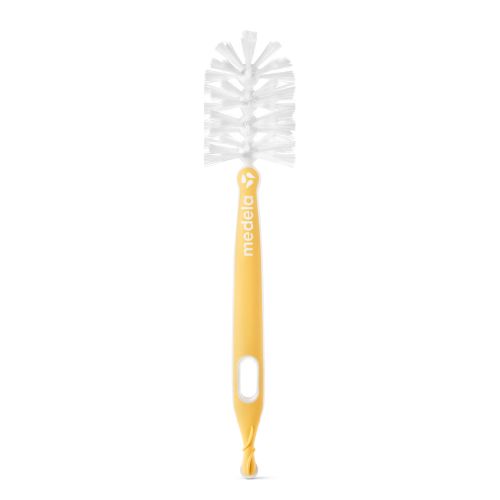
Offers thorough, gentle cleaning, for peace of mind when washing your breast milk bottles, teats, and pumping equipment.
S$13.90
